
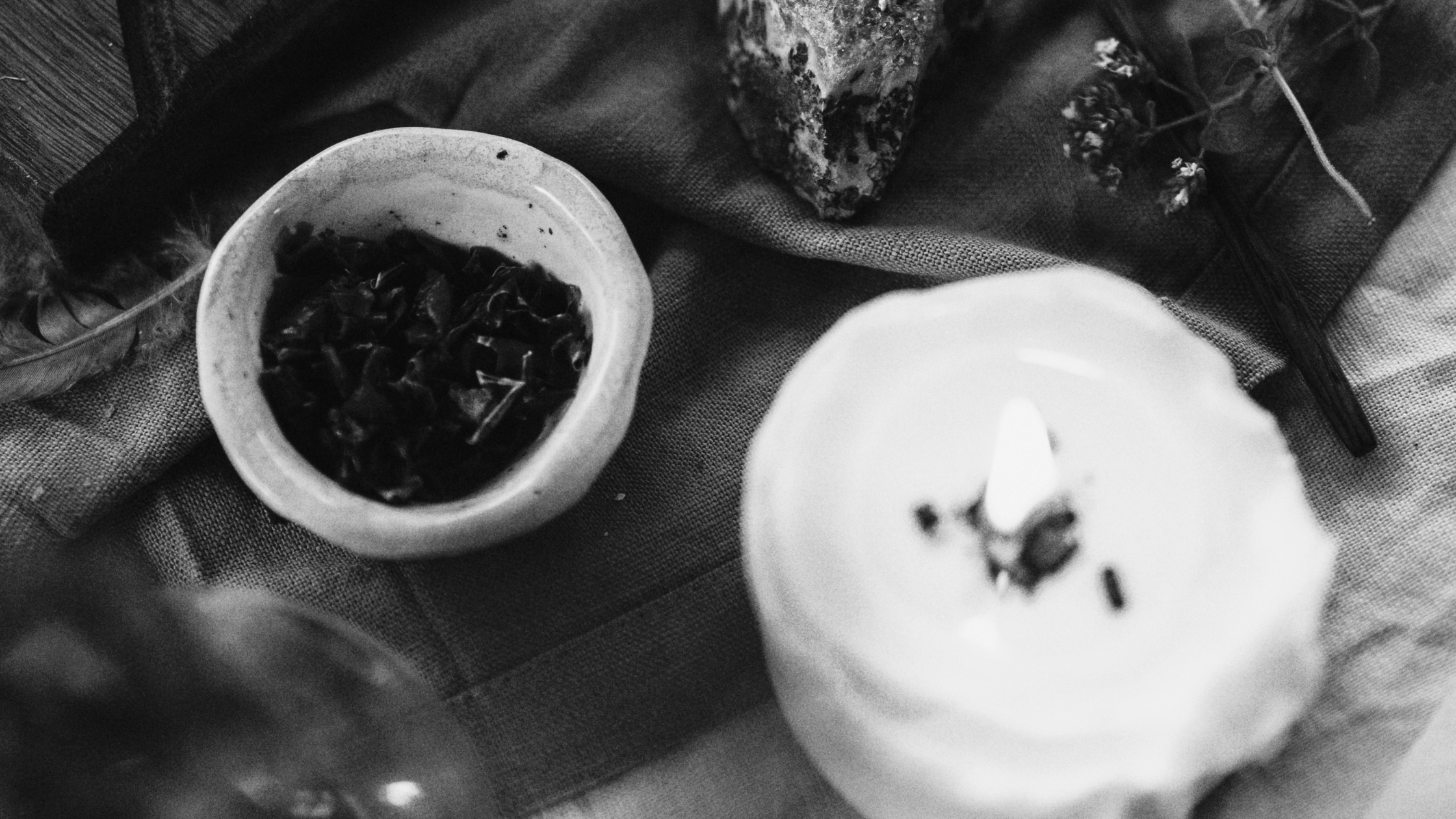
Even today, many people still believe in gayuma as a means of attracting love. Many also wonder whether it really works. Let's explore its origins and how our ancestors used it.
The History of Gayuma in Filipino Culture
During our ancestors' time, they believed that everything possessed spiritual energy. It is therefore not surprising that the use of gayuma became part of their daily lives.
One example is Jumaya, a love potion from the Visayas that women used to attract the person they desired. There was also an antidote called buringot, which was believed to counter its effects.
There was also lumay, a type of incense that was burned and used to smoke the clothing of the person they wanted to bewitch. It was said to have been commonly sold by the Negritos in the past.
Through the ingenuity of our ancestors, gayuma took on various forms. Some were mixed into food or drinks, while others were made into charms or amulets. To this day, these can still be found in Quiapo and even in online shops.
Stories from Different Places
In Pangasinan, there is a story about an amulet said to come from the heart of a banana plant that falls at midnight. It is difficult to obtain because spirits guard it. Whoever manages to acquire it is said to gain irresistible charisma, particularly among women.
In Surigao del Norte, there is a tradition of making love potions using medicinal plants, such as Dischidia leaves and pandan seeds. This shows that such practices were not limited to Siquijor but were also found in other parts of the Philippines.
Since 2003, I've been making love potions and have learned a great deal along the way. In my experience, simply believing in a ritual isn't enough to make it work. You also need to follow the proper process and use the right materials. For example, if you use garlic in a ritual just because you saw it in an online video, you might end up smelling unpleasant to the person you're trying to attract. That's why I advise being cautious about love potions you find online. Many creators make content simply to get views, so not everything they share comes from genuine experience or has a reliable basis.
REFERENCES
Demetillo, M. T., Betco, G. L., & Goloran, A. B. (2019). Assessment of native medicinal plants in selected mining area of Claver, Surigao del Norte, Philippines. Journal of Medicinal Plants Studies, 7(2), 171–174. https://www.plantsjournal.com/archives/?year=2019&vol=7&issue=2&part=C&ArticleId=970
Dichoso, F. (1967). Some superstitious beliefs and practices in Laguna, Philippines. Anthropos, 62(1/2), 61–67. https://www.jstor.org/stable/40456848
Scott, W. H. (1992). Looking for the prehispanic Filipino and other essays in Philippine history. New Day Publishers. https://archive.org/details/lookingforprehis0000scot/mode/2up
Leave a Comment